.png?height=200&name=_Blog%20Cover%20(11).png)
Overview The U.S. Coast Guard has made it clear: cybersecurity is now part of every Coast...
Cold weather operations bring a unique set of safety considerations onboard towing vessels, dredges, and other workboats. While winter conditions are often associated with weather exposure and deck safety, colder months also introduce increased fire risk below deck.
As crews rely more heavily on heaters, dryers, and electrical equipment to stay warm and comfortable, it becomes especially important to evaluate how seasonal habits affect fire prevention practices.
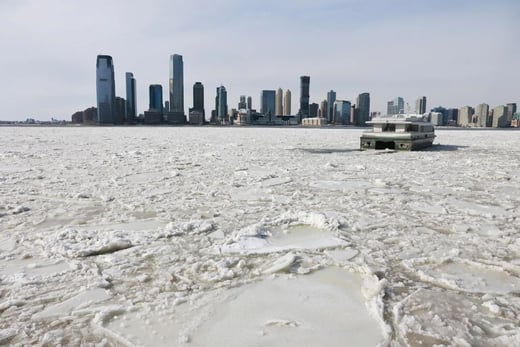
Why Cold Weather Increases Fire Risk
During winter months, vessels often see changes in day-to-day operations, including:
- Increased use of portable heaters and warming devices
- Greater electrical load on existing systems
- Temporary power solutions such as extension cords
- Reduced ventilation in enclosed spaces
- Storage areas becoming more crowded with gear and supplies
These factors can quietly increase the likelihood of electrical faults or ignition sources if not carefully managed.
Recent marine casualty investigations have shown how winter operating conditions can contribute to fire risk when heating equipment and flammable materials are not adequately separated.
Areas That Deserve Extra Attention in Winter
Engine Rooms and Machinery Spaces
Machinery spaces are not designed for personal heating equipment. Any additional electrical devices introduced into these spaces increase risk, particularly when combined with flammable materials or limited airflow.
Accommodation Spaces
Heaters in staterooms and common areas should be approved for marine use, kept clear of combustibles, and inspected regularly for damage.
Electrical Systems
Cold weather can stress electrical components. Extension cords, overloaded circuits, and worn plugs are common contributors to winter-related fire hazards.
Storage of Flammable Materials
Paints, solvents, rags, and other combustibles should remain properly stored at all times. Winter operations are a good opportunity to verify that storage practices have not drifted over time.
Practical Winter Fire Prevention Tips
- Review policies on portable heater use onboard
- Eliminate unnecessary extension cords and temporary wiring
- Conduct seasonal walk-throughs of machinery and accommodation spaces
- Reinforce housekeeping standards around flammable storage
- Include winter fire risks in toolbox talks and crew discussions
Small adjustments made early in the season can prevent serious incidents later.
Cold weather does not introduce entirely new hazards. It changes how existing systems are used. Staying ahead of winter fire risk starts with awareness, routine checks, and clear expectations onboard.
FAQ: Cold Weather Fire Safety Onboard
Why should fire safety be revisited in winter?
Winter operations often involve changes in heating practices and electrical use, which can introduce new risks if not properly managed.
Are portable heaters safe to use onboard?
Only heaters approved for marine use should be allowed, and they should never be placed near flammable materials or used in machinery spaces unless specifically designed for that environment.
Why are extension cords a concern during cold weather?
Extension cords are frequently used to support temporary heating solutions. If damaged or overloaded, they can overheat and become ignition sources.
What’s the best way to manage winter fire risk?
Seasonal reviews, clear expectations for heater use, proper storage of combustibles, and open communication with crews all play a role.
How often should winter safety checks be conducted?
At the start of the cold season and periodically throughout winter, especially when temperatures fluctuate or operating patterns change.
.png?height=200&name=_Blog%20Cover%20(7).png)
.png?height=200&name=_Blog%20Cover%20(14).png)